How to Secure Your Social Media Login Credentials
Living in today's digital world means our social media accounts are a crucial part of our online presence. However, it's crucial to be aware of the potential security risks involved. Social media accounts are a main target for hackers, which is why staying one step ahead with the latest cybersecurity protocols is mission-critical.
Understanding the Risks
Social media accounts are a digital extension of ourselves, making them a distinct target for identity thieves and hackers. With over 56% of the global population using social media in some form, safeguarding your login credentials is a top priority. A compromised social media account can expose your personal information, including your Social Security number, bank information, and credit card details.
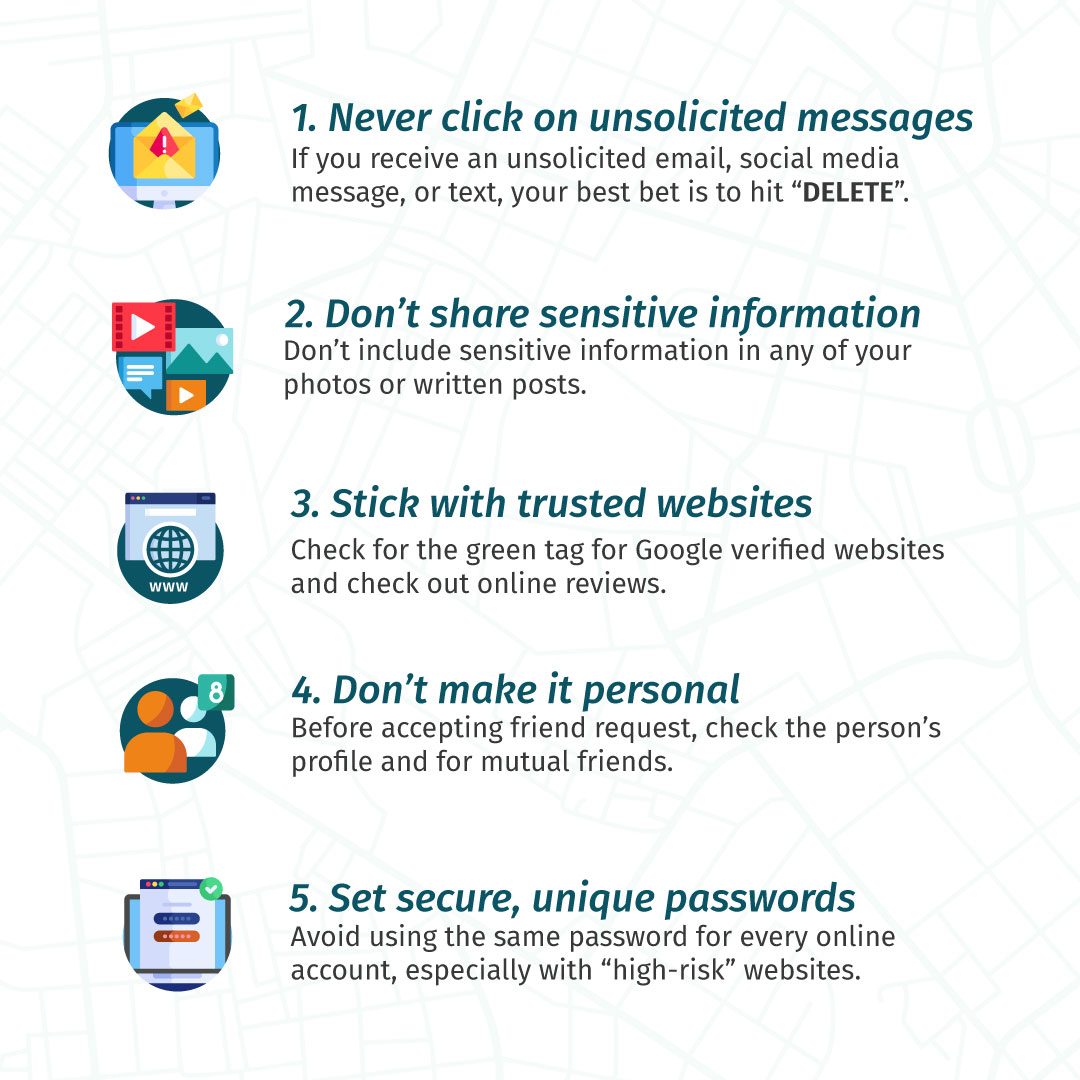
Tip #1: Use Unique Passwords for Each Website
Using the same password across multiple websites can put you at risk of a Credential Stuffing attack. This occurs when hackers obtain your login credentials from one site and try to use them on other sites where you've reused the same password. By using a unique password for each website, you can prevent your account from being compromised.
Tip #2: Enable Two-Factor Authentication (2FA)
Enabling 2FA adds an extra layer of security to your social media accounts. This process requires you to provide a second form of verification, such as a code sent to your phone or an authenticator app. This makes it much harder for hackers to gain access to your account.
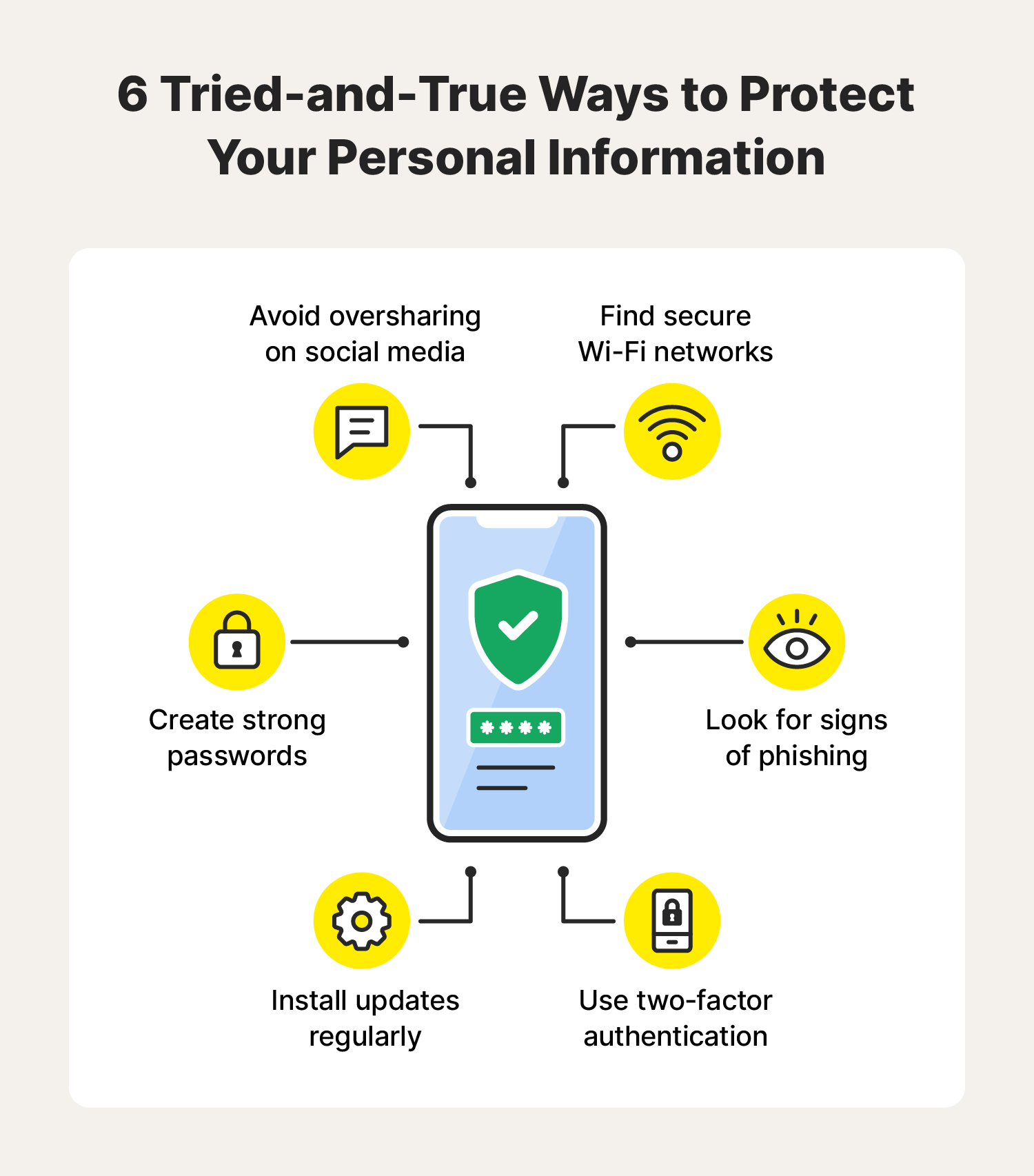
- Look for websites that offer authenticator app support, such as Google Authenticator or Microsoft Authenticator.
- Consider using a hardware security key, such as YubiKey, for an extra layer of security.
Tip #3: Monitor Connected Apps and Device Sessions
Review your connected apps and device sessions regularly to ensure only authorized devices have access to your social media accounts. This helps prevent unauthorized access and reduces the risk of data breaches.
- Review your connected apps regularly and revoke access to apps you no longer use.
- Use a social media manager tool to monitor device sessions and receive alerts when changes are detected.
- Use a reputable password manager that offers 2FA and encryption.
- Consider using a password manager that offers a password generator and autofill feature.
Tip #5: Set Up Account Recovery
Set up an account recovery process to ensure you can regain access to your social media accounts in case you forget your login credentials or experience a security breach.
- Use a secure email address or phone number for account recovery.
- Set up a trusted contact to help you regain access to your account in case of an emergency.
Tip #6: Be Cautious with Third-Party Websites
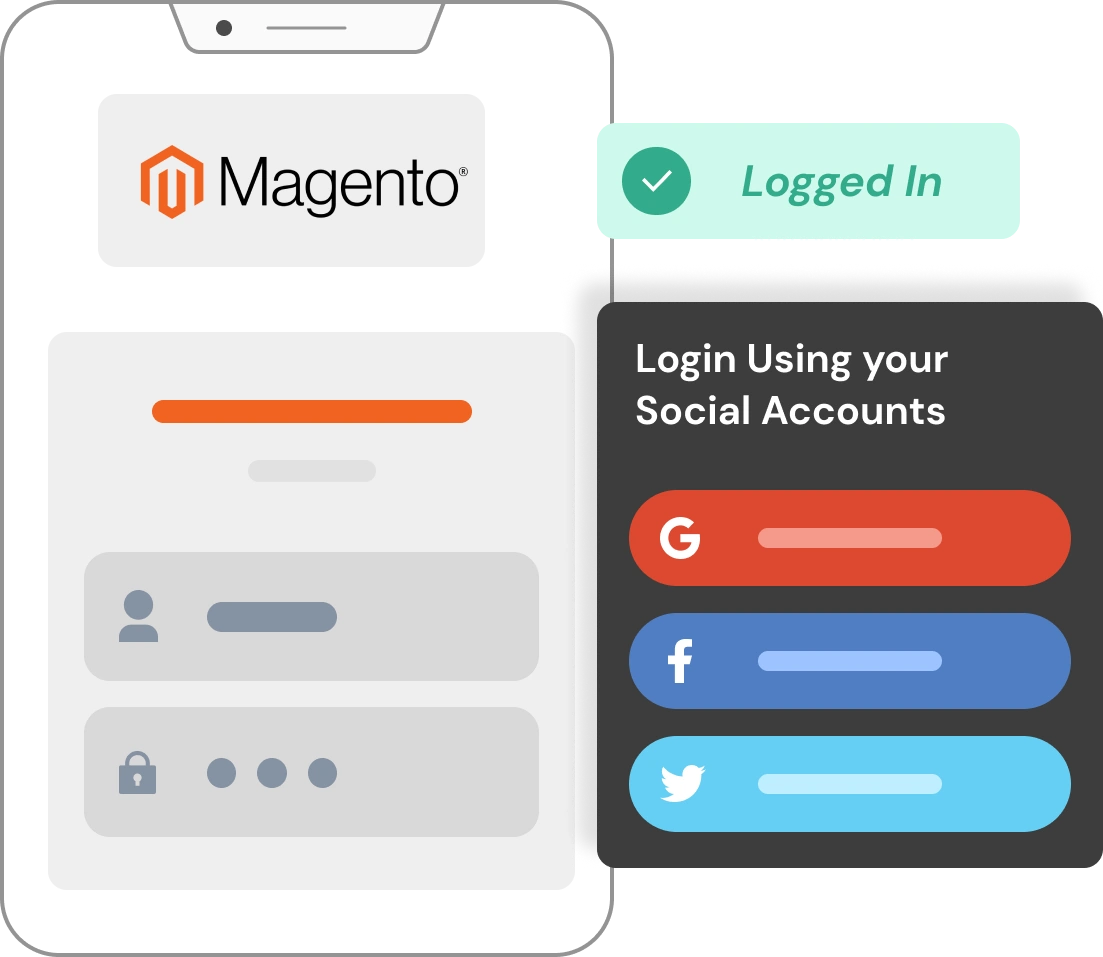
- Use a unique password for third-party websites.
- Consider creating a new account on the third-party website without using your social media login credentials.
Tip #7: Stay Up-to-Date with Security Updates
Regularly update your social media accounts with the latest security patches and features to ensure you have the most robust security settings.
- Check your social media accounts regularly for security updates.
- Enable security features such as biometric login, deadline-forwarding, and account alerts.
Use a secure browser that offers robust security features, such as encryption and anti-tracking measures.

- Consider using a browser that offers a built-in password manager and 2FA.
- Use a browser that has regular security updates and patches.
Tip #9: Use a Secure Internet Connection
Use a secure internet connection that offers robust encryption and firewall protection.
Tip #10: Be Mindful of Phishing Attacks
Be cautious when clicking on links or providing sensitive information, as phishing attacks are a common way for hackers to gain access to your social media accounts.
- Be wary of emails or messages that ask for sensitive information.
- Verify the authenticity of emails or messages before providing sensitive information.