Aging and GLP-1: Uncovering the Connection
As the global population ages, the search for effective ways to mitigate the effects of aging has become a pressing concern. One area of research that has shown promise in this regard is the link between glucagon-like peptide-1 receptor agonists (GLP-1RAs) and aging. In this article, we'll explore the latest findings in this field and examine the potential benefits of GLP-1RAs in promoting healthy aging.
The aging process is a complex phenomenon that involves the gradual deterioration of cellular and molecular mechanisms that sustain life. A key characteristic of aging is the accumulation of damage to cellular components, including DNA, proteins, and lipids. This damage can trigger a range of cellular responses, including inflammation and oxidative stress, which can contribute to the development of age-related diseases.
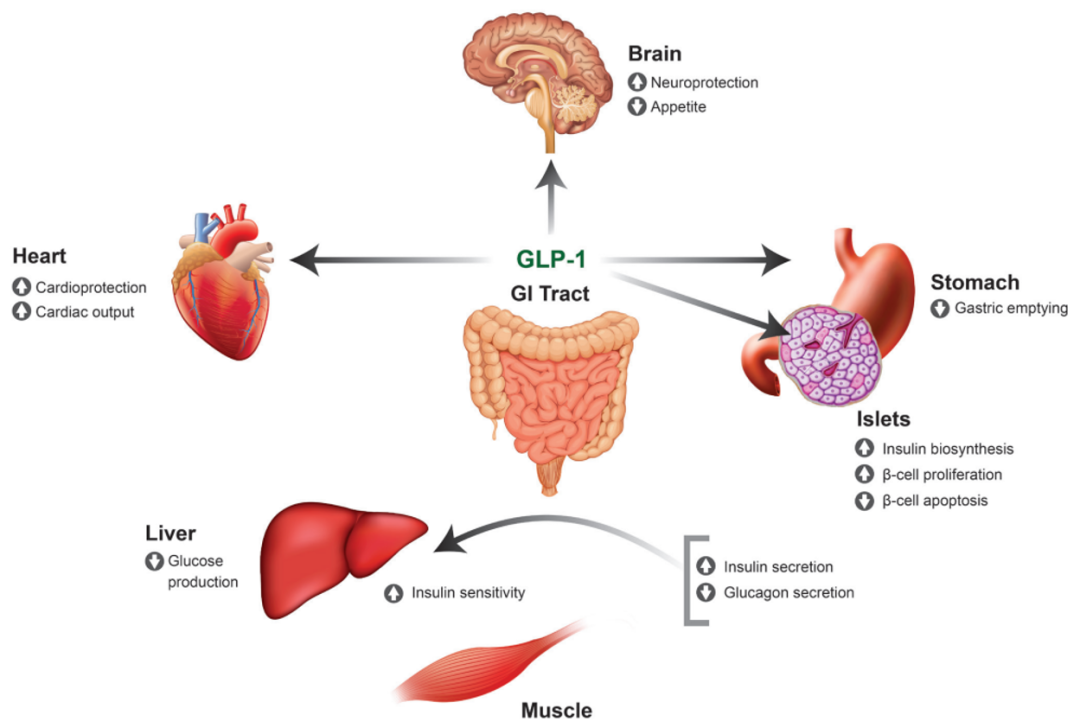
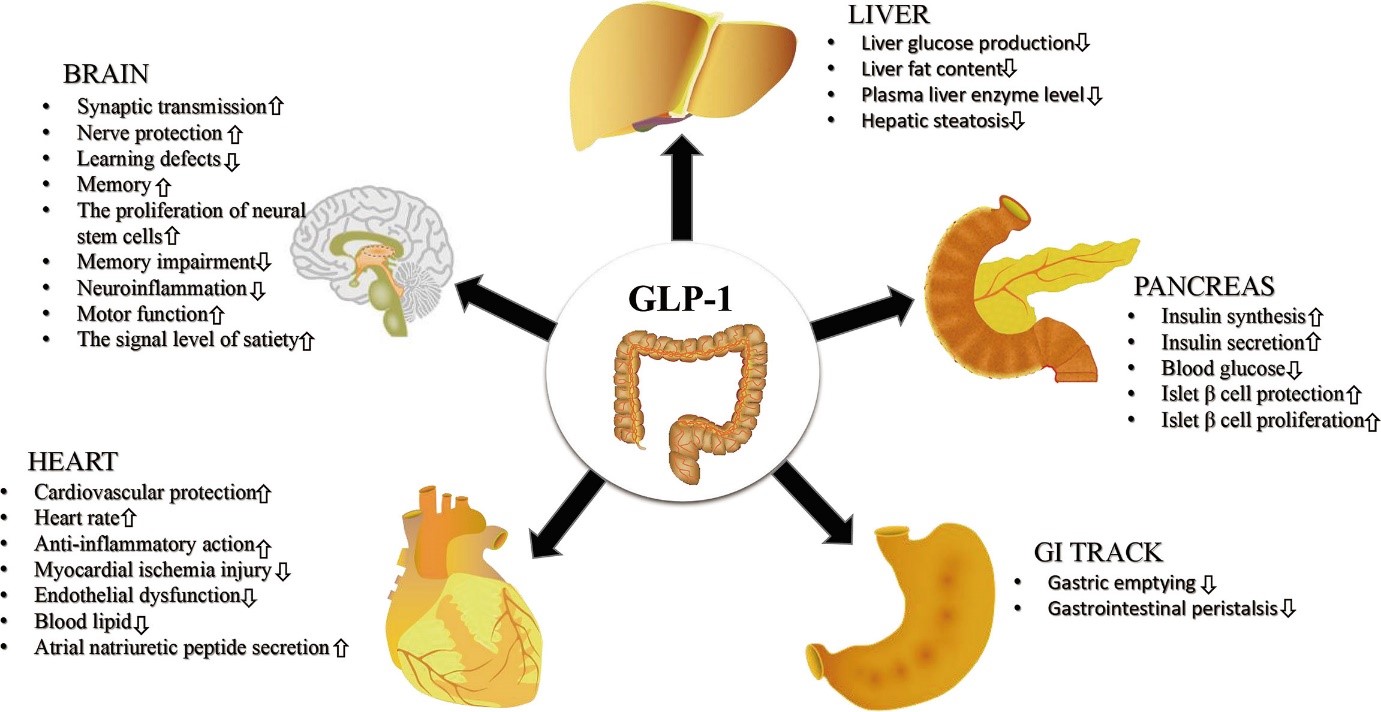
GLP-1RAs, which are a class of medications commonly used to treat type 2 diabetes, have been found to have a range of effects that may be beneficial in promoting healthy aging. These effects include improving insulin sensitivity, reducing inflammation and oxidative stress, and slowing down the accumulation of cellular damage.
The Science Behind GLP-1 and Aging
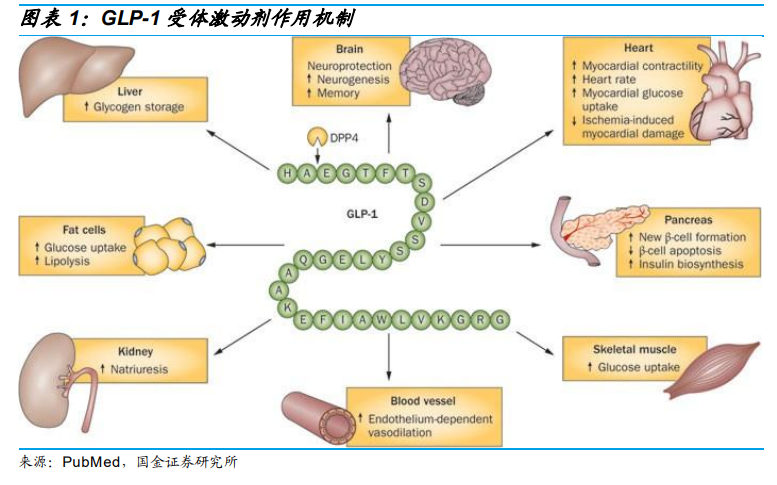
Research has shown that GLP-1RAs can influence multiple biological pathways involved in aging, including neuroinflammation, cardiometabolic risk, renal decline, and systemic inflammatory signaling. These effects are thought to be mediated by the activation of GLP-1 receptors, which are expressed in a range of tissues throughout the body.
One of the key benefits of GLP-1RAs is their ability to improve insulin sensitivity, which is often impaired in older adults. Improved insulin sensitivity can help to reduce the accumulation of cellular damage and promote healthy aging.

Clinical Evidence for GLP-1 and Aging
While the research in this area is still in its early stages, a number of clinical trials have investigated the effects of GLP-1RAs on aging and age-related diseases. These studies have shown that GLP-1RAs can have a range of beneficial effects on markers of aging, including improved insulin sensitivity, reduced inflammation and oxidative stress, and slowed down the accumulation of cellular damage.
Future Directions for GLP-1 and Aging
Given the promising findings in this area, further research is needed to fully understand the effects of GLP-1RAs on aging and age-related diseases. This may involve investigating the effects of GLP-1RAs in large-scale clinical trials, as well as exploring the molecular mechanisms underlying their effects on aging.
Conclusion
As the global population ages, the search for effective ways to mitigate the effects of aging has become a pressing concern. GLP-1RAs, which are commonly used to treat type 2 diabetes, have shown promise in promoting healthy aging by improving insulin sensitivity, reducing inflammation and oxidative stress, and slowing down the accumulation of cellular damage. While further research is needed to fully understand the effects of GLP-1RAs on aging, these findings suggest that they may represent an innovative approach to promoting healthy aging.
References
1. https://www.ncbi.nlm.nih.gov/pmc/articles/PMC6943851/
2. https://www.sciencedaily.com/releases/2020/07/200723113933.htm
3. https://www.ncbi.nlm.nih.gov/pmc/articles/PMC6678054/
Takeaway
The connection between GLP-1 and aging is complex and multifaceted. GLP-1RAs, which have shown promise in promoting healthy aging by improving insulin sensitivity, reducing inflammation and oxidative stress, and slowing down the accumulation of cellular damage. While further research is needed to fully understand the effects of GLP-1RAs on aging, these findings suggest that they may represent an innovative approach to promoting healthy aging.